

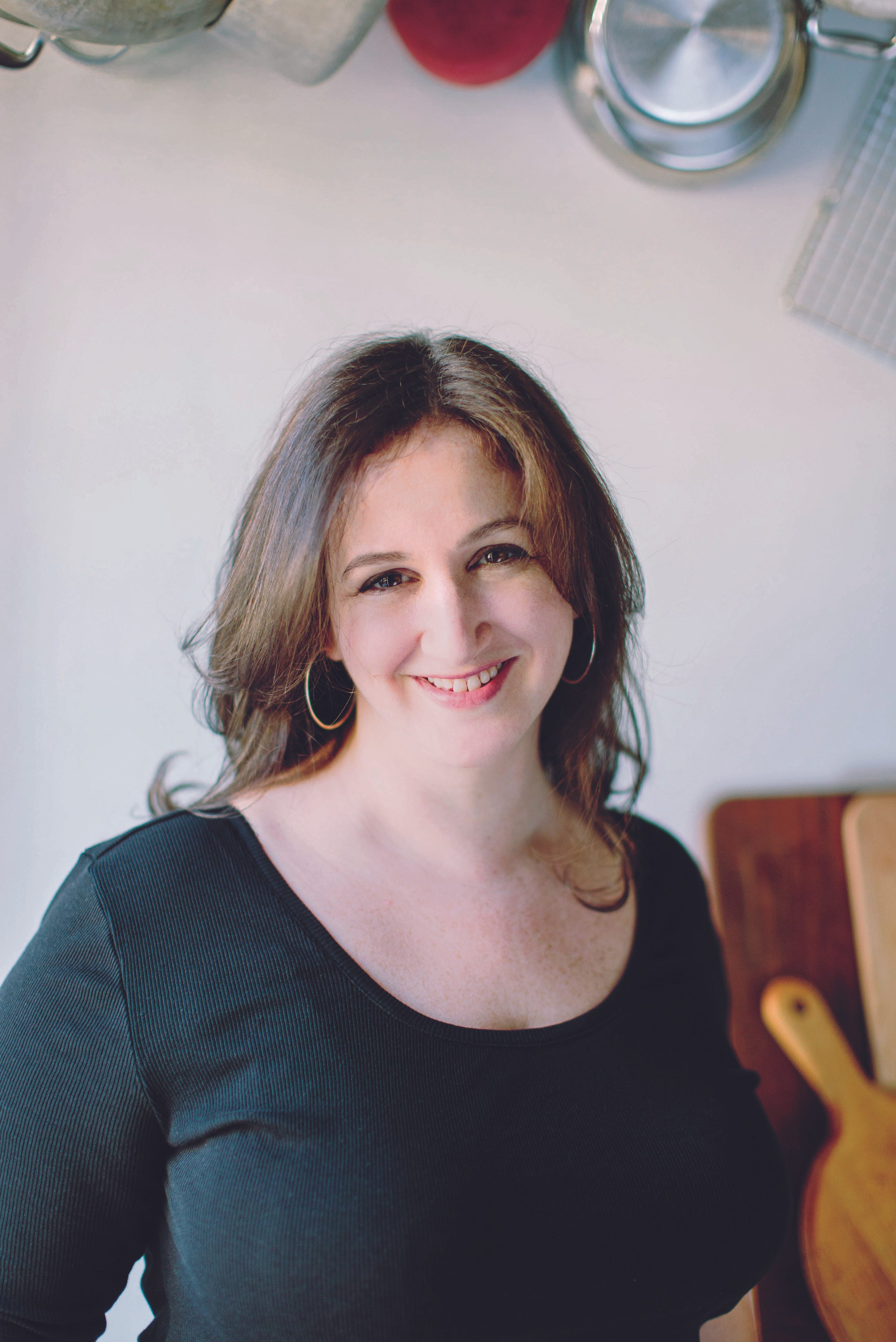
Possibly America’s most recognizable food blogger. (Photo courtesy of Christine Han.)
One of the things I like best about Smitten Kitchen is Deb’s self-deprecating, unassuming humor that infuses all her recipes with light-heartedness. And then there are the recipes themselves, which seem exactly what I want at that moment.
So I was thrilled when Deb agreed to answer my questions about why she’s done so well, even if she is too modest to take any credit:
Q. Congratulations on 16 years as a food blogger! Who else has your kind of longevity?
A. Thank you! A lot of OG food bloggers are still around, doing food things, even if their careers are less blog-centric. Adam Roberts from Amateur Gourmet is podcasting and newslettering. Heidi from 101 Cookbooks continues to put out amazing veg-focused recipes and books. Luisa Weiss from Wednesday Chef is working on a new book. I could go on and on. :)
I’ve always felt that blogs were less journals (as the earlier ones were predominantly characterized) and more just a way to self-publish. Therefore, no matter how much digital ink has been spilled over the so-called death of blogging, nobody has stopped needing to find ways to self-publish on the web. TikTok, Instagram, and YouTube cooking stars need to
create websites to house their recipes, and they usually need to write a few sentences about the recipes too. Most cooking newsletters feel (delightfully) bloggy — conversational and free of the constrictions of traditional publishing.
Where does blogging begin and end? (I am asking this vaguely but also begging nobody to write a think piece about it, okay?)
Q. Why have you succeeded in this business, do you think?
A. I'm very bad at seeing my so-called career from an outside perspective. But I am generally guided by what I hope to find on the web: airtight recipes for food I want to cook that also take into consideration the experience of making the recipe. This can be through cutting out annoying steps that don't notably improve outcomes, in telling me straight whether I need to go to a specialty store for an ingredient and what's lost if I don't, but also a lack of condescension. I don't think I'm better or smarter or savvier than anyone cooking at home. I've just figured out a few things along the way. Smitten Kitchen is where I’m going to tell you those things.
Q. Which skills from your previous life are most helpful?
A. Someone once told me that if you don't have an opinion, you shouldn't be writing. You need a point of view. It took me years of doing it without realizing I was doing it to make sense of what they meant: While you shouldn’t drum up an opinion for the sake of having one ("Cookies are... bad!"), a post about baking cookies is going to be 100% better from someone with a deep sense of what makes a good or bad one, or a good or bad experience of baking one.
Q. When people ask for advice on starting a food blog, what do you tell them?
A. Do it and don't worry about what anyone else is doing. We don't need replicas. We need new and varied voices.
Q. Why did you start a YouTube channel recently?
A. I've always wanted to add a video component, but finding the people who could efficiently, professionally make them the way I envisioned took a long time.
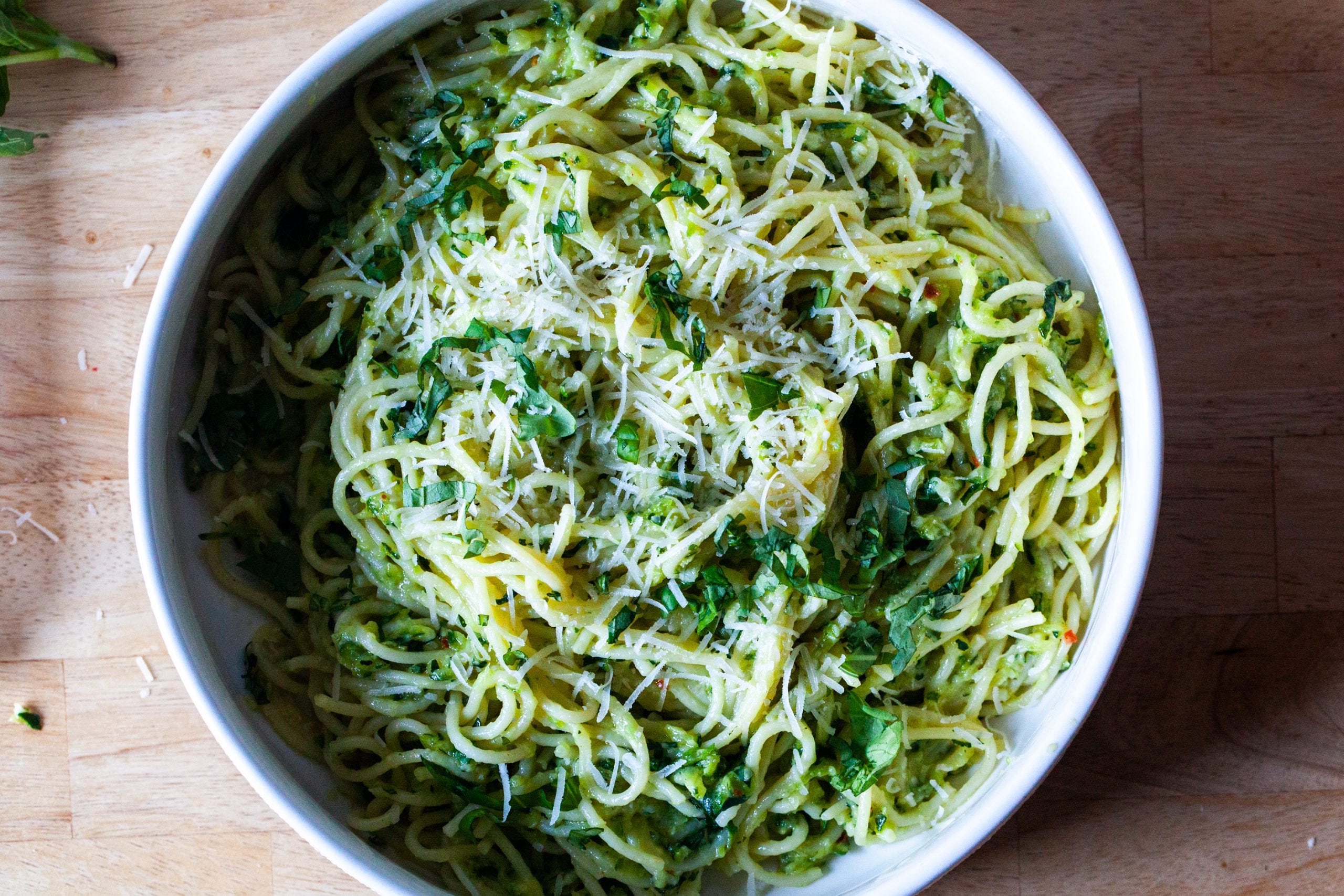
A recipe for Zucchini Butter Spaghetti: “I'd kicked this recipe around for a few summers before getting it to a place where it felt worth sharing. While I was personally excited about it, I doubted anyone else would be. I did not expect it to take off, but it's always nice to be reminded how much we all want simple, easily-executed recipes from ingredients you probably have around, and that don't require flawless, freshly-plucked produce to pull off.” (Photo courtesy of Deb Perelman.)
Q. Which changes to food blogging do you like most, and which the least?
Some of the things I thought I didn't like about a direction I've seen in some food sites are actually things I don't like about search engines. I wish every person on Twitter who thinks they're making an original point when they say, "Wah, recipe headnotes are so long!" could get there too. If you wonder why most of the recipes on the front page of your search are built in a formulaic way that doesn't actually lead to the best experience for you, you might ask why Google is rewarding, or on the flip side — demanding this. The Catch-22 is that a food site that doesn't do this loses search engine ranking.
It often feels like every recipe on the front page of Google for, say, "baked spinach dip" is the same. Is it because there's actually just one best recipe for baked spinach dip, and each site individually invented it? Or is it a successfully worked algorithm? This is a genuine question. Can someone just tell me which one to make? I'm craving spinach dip.
Q. How do you decide which new recipes to feature?
A. It's always and forever a craving. Sometimes someone reminds me I don't have a recipe for x, y, or z, and I realize I actually have a strong opinion on how to make x, y, or z. And I work on that for a bit, which is fun. But my job feels the most like my dream job when I wake up, and cook whatever I feel like cooking, and I quickly feel fried when I stop doing that.
Q. Are you still riffing off other people’s recipes? You’re good at stating your influences.
A. Aren't we all? Does anyone else find it suspect when someone says they absolutely never do? I didn't invent lasagna, pad Thai, or pancakes. I learned things along the way from making other peoples' recipes. I mash it together with my opinions and preferences (yes to this ingredient, no to this step, etc.), comb it out through rounds and rounds of testing (this could work better, this worked but I hated doing it, etc.) to get recipes where I want them. Food is more interesting and inclusive when we talk about where we learned a technique and share resources and influences.
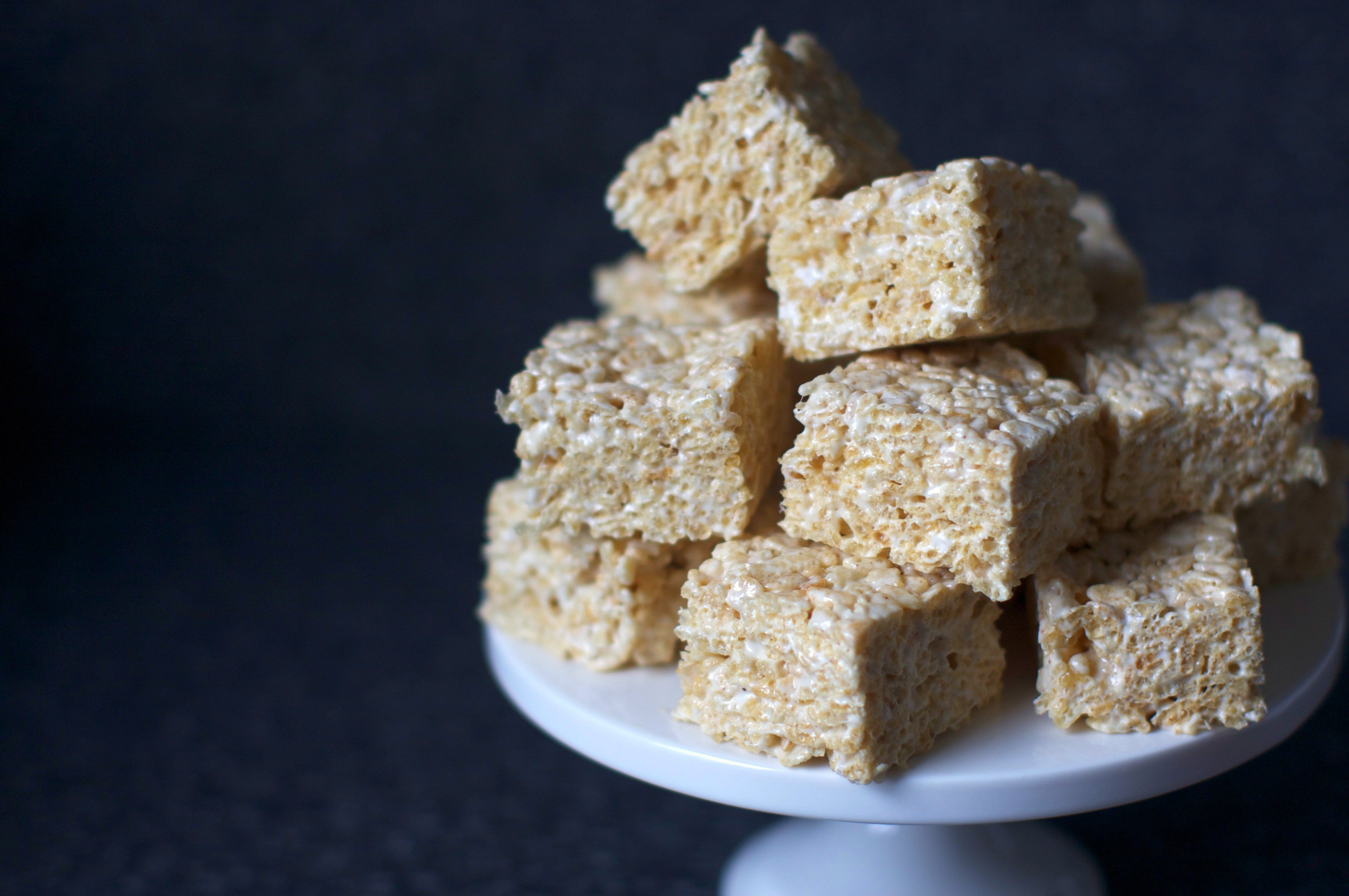
A recipe for Salted Brown Butter Crispy Treats: “This is from way back in 2009 (the recipe would be in 7th grade by now!). I love that it still makes the rounds. I had a newborn and no time to make fancy things for parties anymore. Three simple twists: more butter, browning the butter, and flaky sea salt, transform a sometimes dull kid treat into something that doesn't last 10 minutes at any party, regardless of age group. I still often wonder why I bother making any other desserts.”
Q. What kind of assistants help you produce your blog and books?
I have Sara, who helps me stay organized and helps with bigger projects (like finding the perfect video team) for almost a decade. I have Jordan, who helps put together my newsletter each week. I have a cooking assistant (hi Rachel) who comes about once a week. We get through a lot more recipe tests together.
I have a talented video team that works with talented editors. But I still do 95% of everything else: writing, photos, recipe development, content planning, socials, grocery shopping, TikToks, just not very efficiently.
Q. What do you think is the biggest challenge to food bloggers?
A. Because blogging = self-publishing, you often have a single person doing the job of what would be an entire editorial department at a larger publication. (See: All of the tasks I listed above.) Wearing all of these hats is always going to be the hardest part of the job. I see more food bloggers outsourcing more jobs and I think it sounds really healthy and like something I should try one day. Will I? Bwahaha...
Q. How do you keep burnout at bay?
A. I always aim for quality over quantity. I would rather the site be quiet for a week or two than push out work I'm not excited to create or proud to share. I'd rather only write a book every five years if it feels rushed any other way.
Q. Do successful food bloggers today need a niche, or can they still start a general food blog like yours?
Either!
Q. What is the number one benefit of your 16-year career?
A. I'm not sure it's a benefit per se, but I do like to regale my kids with stories about how websites didn't always have photos and video was considered quite revolutionary at the time.
Q. Do you even still think of yourself as a food blogger, or are you a media influencer? Entrepreneur?
None of these things at all! I cook, I write, I share. Repeat.
Want more? Read this 2020 profile of Deb in the New Yorker, about her home life and whether she gets tired of cooking. I wrote this post on what Deb learned by writing a cookbook. And this one on how brilliantly she promotes her recipes on Instagram.
If you are a food blogger, does Deb’s point of view resonate for you? Can you relate to her thoughts about SEO and how it controls blog content? Do you sometimes feel frustrated by all the hats you wear?